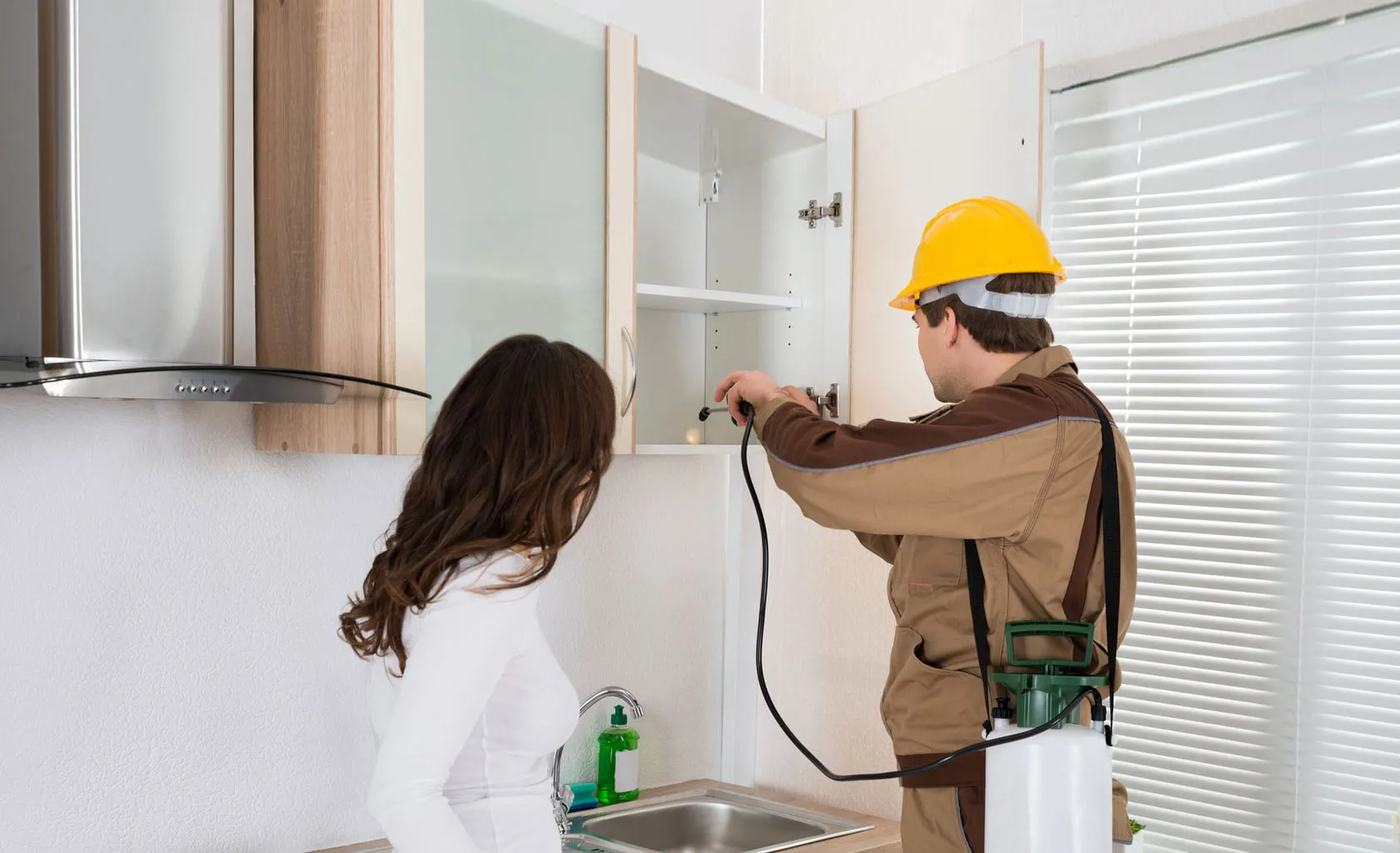
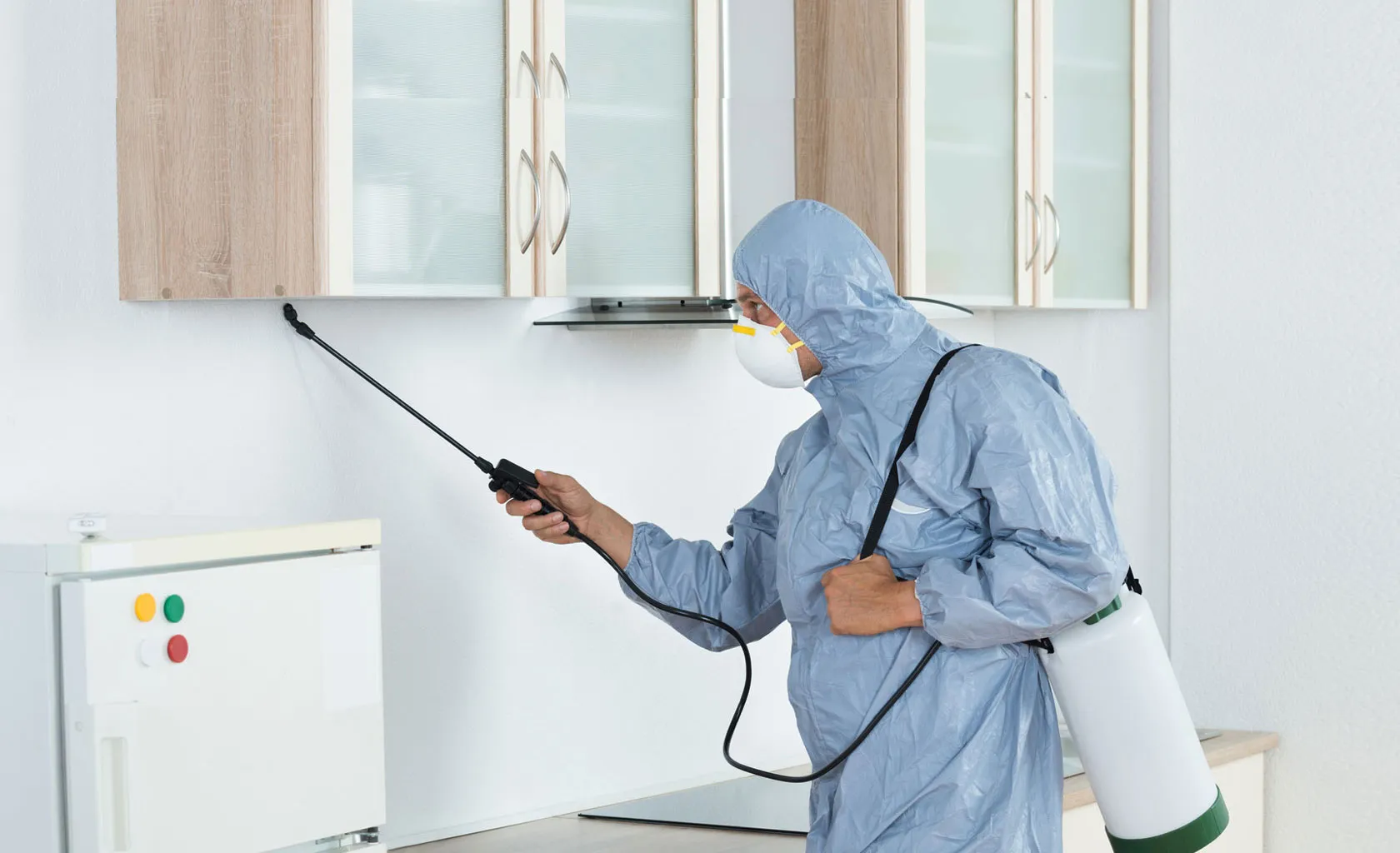
Pesticide records are the paperwork most likely to be written up at 10pm, from memory. In NSW that is a risk, because the rules are specific and the fines are real.
The short answer: in NSW, record every pesticide application within 48 hours and keep the record for three years. Capturing it on the job form before you leave the property is the simplest way to comply.
This summary is based on the NSW EPA guide for pest management technicians (May 2025). It is not legal advice. Other states have their own rules.
What must a NSW pesticide record include?
- The full product name
- The situation of use, application rate and quantity applied
- A description of the equipment used
- The property address and the area treated
- The date and time
- Names, addresses and contact details of the applicator and the owner or manager
- Weather conditions, including wind speed, for outdoor spray applications
Records are not required for pool or spa water treatment, or for non-chemical control such as physical termite barriers or traps.
What are the deadlines?
| Rule | Requirement |
|---|---|
| Make the record | Within 48 hours of application |
| Keep the record | 3 years |
| Licence renewal | Every 1 or 5 years |
When do you need to give notice before treating?
Sensitive places
Schools, preschools, kindergartens, childcare centres, community health centres and nursing homes need at least five working days’ notice before spraying or ground injection of liquid pesticides, or outdoor fumigation, within 20 metres.
Multi-occupancy complexes
Units, flats, townhouses, villas and long-stay caravan parks need at least five working days’ notice to all residents before common areas are treated, plus notices posted on the day.
Emergencies
Biting or dangerous pests allow shorter notice, but notice must still be given before starting and the circumstances recorded.
Get written confirmation that notice was received where you can. The EPA notes penalties may apply if notification cannot be proven.
What are the penalties?
The NSW EPA lists on-the-spot fines of A$500 for individuals and A$1,000 for corporations, and up to A$44,000 in court for more serious offences.
A worked example: a general pest treatment
A technician completes an internal and external general pest treatment at a house in Liverpool on a calm morning.
Before leaving, the job form captures:
- The product name, situation of use, rate and quantity applied.
- The equipment used.
- The address and the areas treated, such as the kitchen, subfloor and external perimeter.
- The date and time.
- The technician’s and owner’s contact details.
- Wind speed and conditions for the external spray.
- Photos of the treated areas and the customer’s sign-off on the phone.
The record is complete before the van leaves, well inside the 48-hour window, and stored with that property for the next three years.
Check your own state
Pesticide and licensing rules are set by each state and territory. If you work across borders, check each regulator’s requirements and keep the stricter standard.
How to stop records piling up at night
- Record on the job. Use a mobile job form that captures product, rate, area and weather before you leave.
- Add photos. A photo of the treated area and the product label helps if questions come later.
- Get sign-off on site. The customer signs on your phone.
- Keep it with the property. Records belong in the property’s job history, not a shoebox.
LYD Pest Control’s mobile job form logs pesticide use on site, with photos and customer sign-off. See pesticide application records. LYD records what you applied; it does not recommend products or rates.